
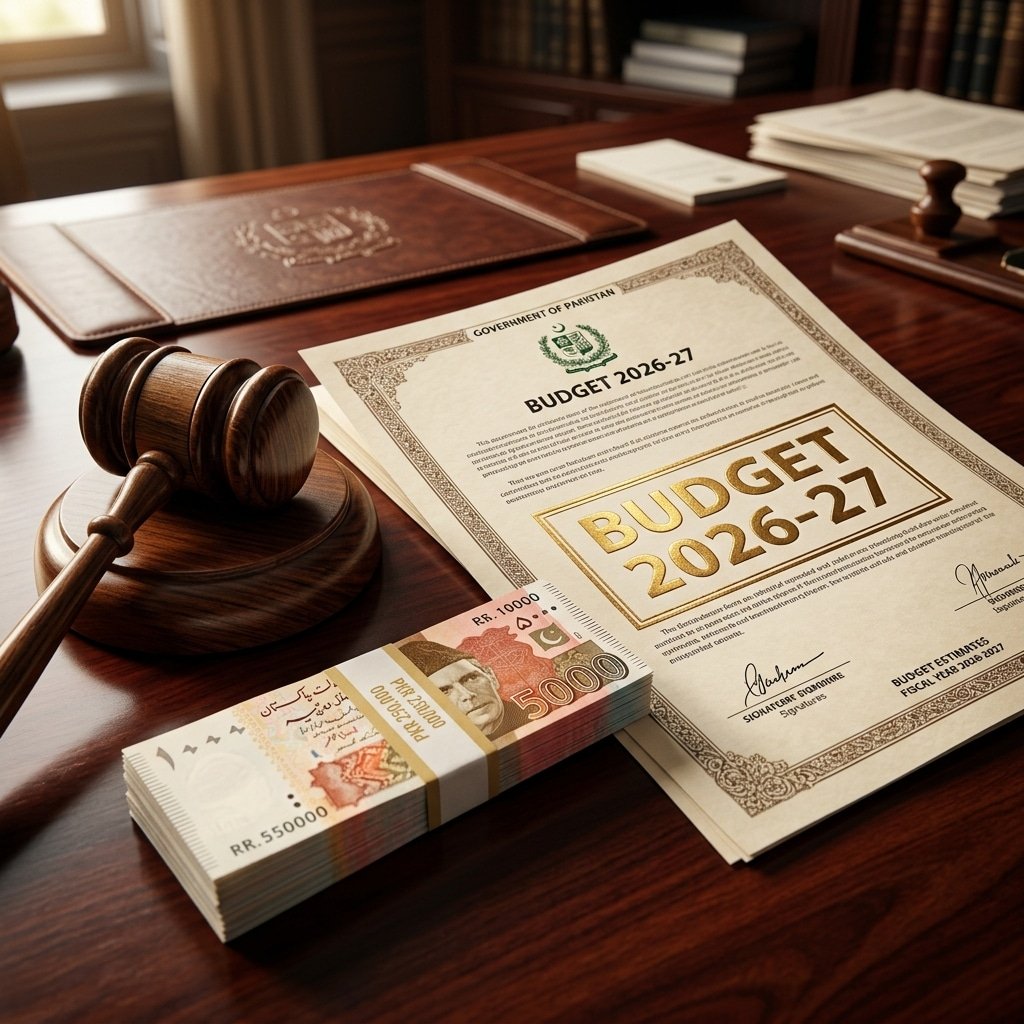

The End of Section 7E: A Massive Relief for Investors
The End of Section 7E: A Massive Relief for Investors
In a historic move that has sent ripples of optimism throughout the Pakistani real estate sector, the Federal Budget 2026-27 has officially abolished Section 7E—the highly controversial “deemed income tax” on unused or secondary immovable properties. This ruling, strongly influenced by the Federal Constitutional Court, marks a monumental victory for property owners and investors who had long argued that the tax was stifling growth and unjustly penalizing long-term asset holding.
What Was Section 7E?
Introduced in previous fiscal years, Section 7E essentially required resident Pakistanis to pay a tax on the deemed rental income of properties they owned, even if those properties were vacant plots or unrented homes. This created a massive liquidity crunch, forcing many investors to hoard cash or move capital abroad rather than face recurring annual taxes on non-yielding assets.
Capital Value Tax Scrapped
Adding to the relief, the government has also eliminated the Capital Value Tax (CVT) on foreign assets. This is a clear signal that the financial authorities are prioritizing capital retention and encouraging expatriates and local high-net-worth individuals to actively repatriate and invest their wealth back into the domestic market.
IMF Approval and Economic Strategy
Perhaps most surprisingly, reports indicate that the International Monetary Fund (IMF) ultimately greenlit these tax cuts. After initial reservations, international stakeholders have recognized that reviving Pakistan’s construction and real estate sectors is absolutely critical for transitioning the broader economy from a phase of painful stabilization into a phase of robust growth. The real estate sector acts as a powerful engine, directly driving demand for over 40 allied industries, including cement, steel, and labor.
Market Reaction: A Surge in Confidence
The immediate market reaction has been overwhelmingly positive. Property dealers, developers, and institutional investors have universally welcomed the budget. With the oppressive threat of deemed income taxes removed, we are already seeing a resurgence of interest in major housing societies and commercial plots. Investors who were previously in a “wait-and-see” holding pattern are now aggressively scouting for undervalued assets, anticipating a sharp V-shaped recovery in transaction volumes throughout the latter half of 2026.
Conclusion
The abolition of Section 7E is not just a tax cut; it is a fundamental restoration of trust between the government and the real estate sector. By removing punitive taxes on property ownership, the 2026-27 Budget has successfully unlocked dormant capital. For those looking to invest in Pakistan’s property market, the regulatory environment has not looked this favorable in years.
