
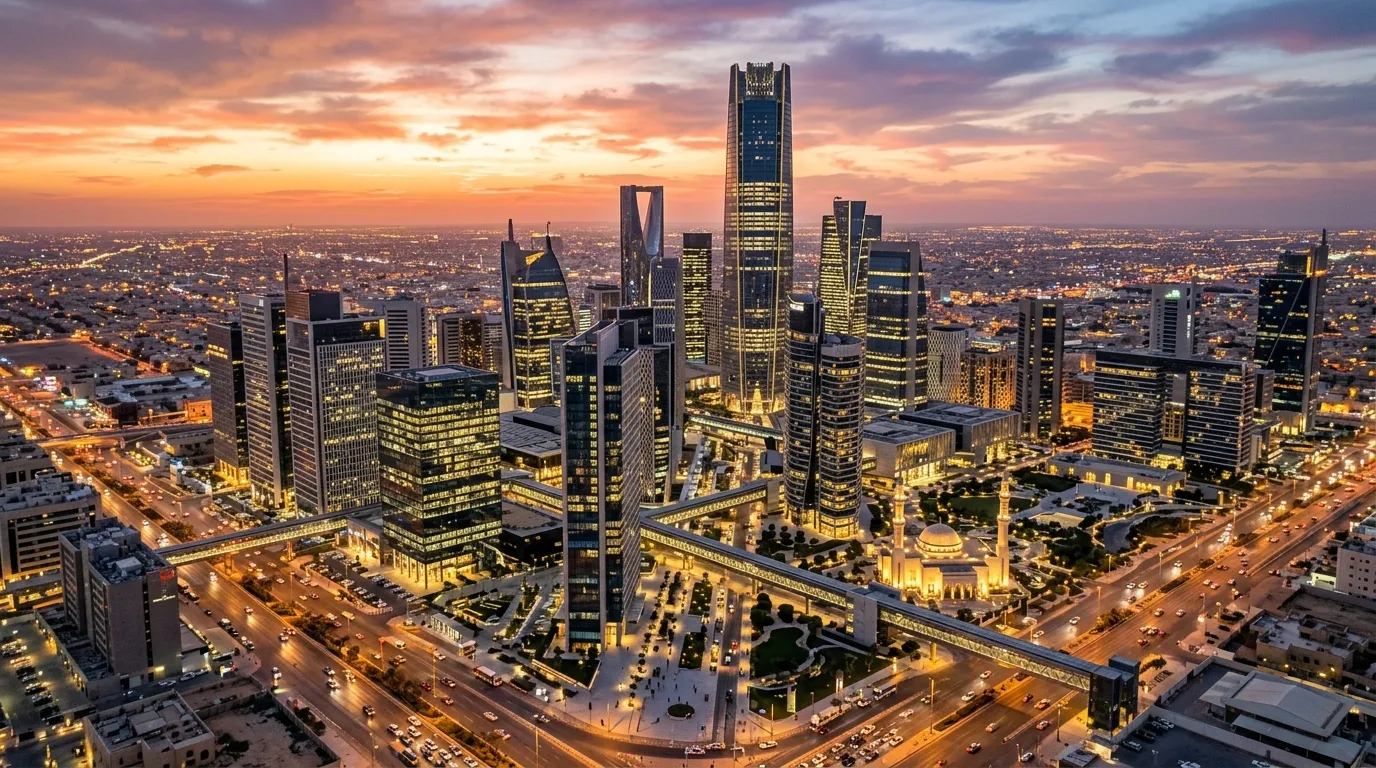

Can Foreigners Buy Property in Saudi Arabia? The 2026 Law Explained
Yes, foreigners can now buy real estate in Saudi Arabia. The Law of Real Estate Ownership by Non-Saudis (Royal Decree No. M/14) officially took effect on January 22, 2026, transitioning the market to a rules-based system. Foreign individuals, companies, and investment funds can acquire property rights within designated zones established by the Real Estate General Authority (REGA).
Key Takeaways
- Effective Date: The new property law entered into force on January 22, 2026.
- Eligibility: Both resident and non-resident foreigners, as well as corporate entities, can buy.
- Designated Zones: Ownership is restricted to specific geographic areas approved by REGA.
- Makkah and Madinah: Special conditions apply; individual ownership here is generally restricted to Muslims.
- Penalties: Violating conditions can trigger administrative fines up to SAR 10 million (~USD 2.66 million).
Where can foreigners buy property in Saudi Arabia?
Foreign buyers are restricted to designated zones across the Kingdom. In June 2026, the Cabinet approved the Executive Regulations which finalized these geographic boundaries. You cannot buy a plot or villa anywhere you want. The acquisition must fall within an eligible zone managed through a digitized registration process.
Outside these zones, foreign residents may sometimes receive permission to own a single residential property for personal use. The commercial real estate market is expanding rapidly to accommodate this shift. Residential sales in Saudi Arabia already hit approximately SAR 118 billion (~USD 32 billion) in 2024 according to Deloitte, and the 2026 law is projected to accelerate that volume.
Are there restrictions in Makkah and Madinah?
Yes, the holy cities operate under a specific sub-regime. While foreign ownership is legally possible under the 2026 framework, it carries strict conditions. Individual ownership in Makkah and Madinah remains generally restricted to Muslims.
Foreign funds and entities exploring these markets must navigate additional regulatory layers. It is critical to verify zoning and eligibility with REGA before committing funds to projects in these areas.
What are the fees and taxes for foreign buyers?
Acquiring property involves specific transaction costs. Buyers must account for the Real Estate Transaction Tax (RETT) alongside any non-Saudi transfer fees applicable to their purchase.
| Fee Type | Rate / Details |
|---|---|
| Real Estate Transaction Tax (RETT) | Typically 5% of the property value. |
| Registration Fees | Varies by property type and zone. |
| Compliance Fines | Up to SAR 10 million (~USD 2.66M) for violations. |
How does the 2026 law affect the market?
The new regulations replace a 2000-era system that relied heavily on discretionary government approvals. Vision 2030 initiatives aim to push total real estate revenues toward ~SAR 753 billion (~USD 201 billion) by 2030. Opening the market to foreign capital is a direct mechanism to fund the Kingdom’s massive construction pipeline, including giga-projects like NEOM and Qiddiya.
The transition to a transparent, investment-friendly framework under Royal Decree M/14 provides foreign capital the legal certainty required for long-term deployment.
Frequently Asked Questions
Can a non-resident foreigner buy property in Saudi Arabia?
Yes. Both resident expats and non-resident foreign investors can acquire property rights within the REGA-approved designated zones under the 2026 law.
When did the new Saudi property law take effect?
Royal Decree M/14 entered into force on January 22, 2026. The Executive Regulations finalizing the designated zones were approved shortly after in June 2026.
What happens if I violate the ownership conditions?
The law enforces strict compliance. Providing false information can result in administrative fines of up to SAR 10 million and potentially the forced sale of the asset.
Can foreign companies buy commercial real estate?
Yes. Foreign-owned companies and investment entities are eligible to acquire ownership and usufruct rights within the designated zones.
Disclaimer: This article provides general information and does not constitute legal, financial, or tax advice. Always verify current rules and zone maps with REGA or a licensed counsel before transacting.
Ready to explore investment opportunities in Saudi Arabia’s designated zones? Contact our team to discuss your options.
